

 Share the love —
The ninth edition of the El Gouna Film Festival brought together 53 films from 73 countries, featuring a diverse selection of narrative features, documentaries and short films. In this round-up, our team shares their reviews of the films they watched throughout the festival, highlighting what stories stood out to them, their favorite moments and their thoughts on each film.
Omar Rammal, Narrative Short, Palestine
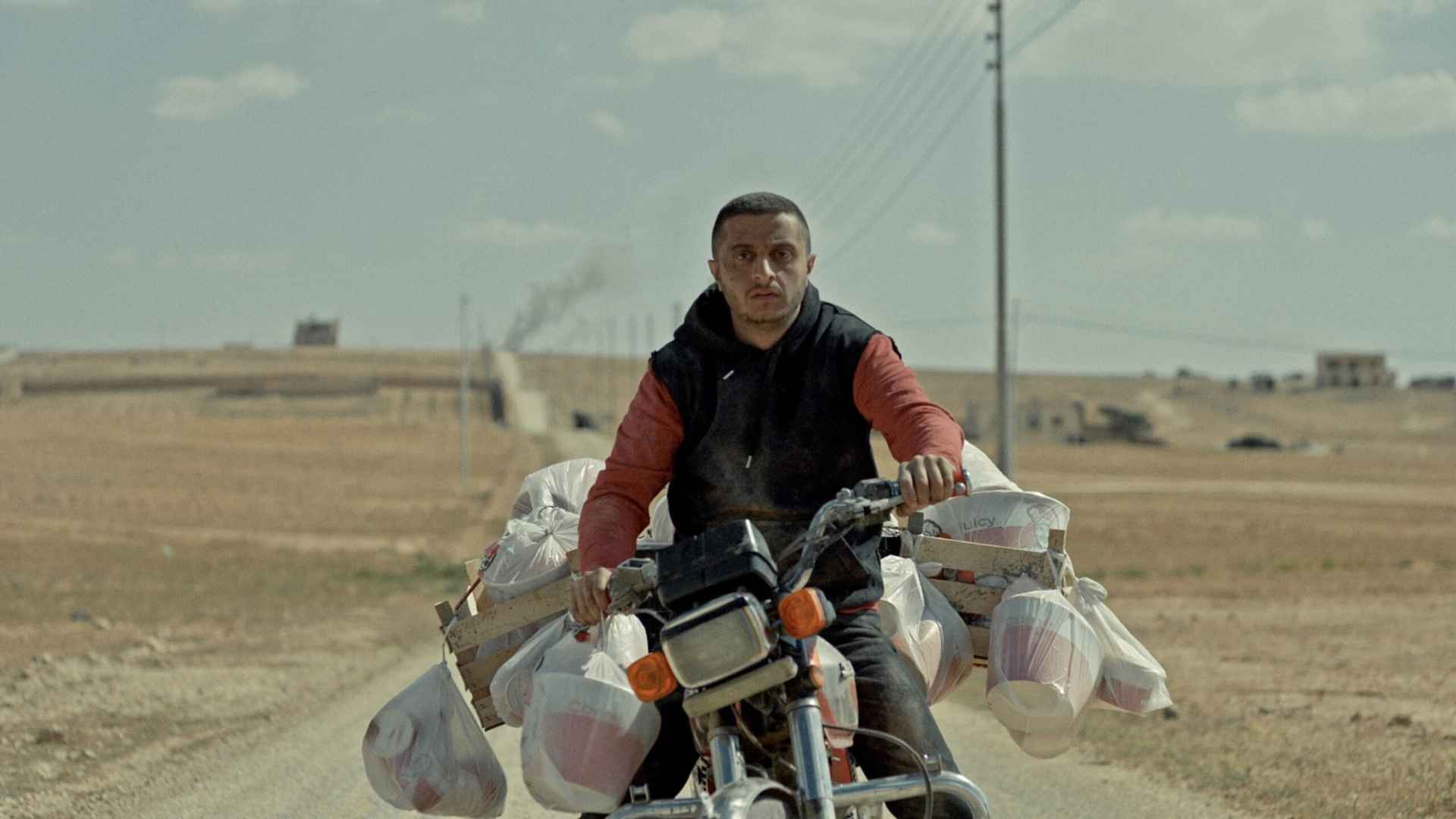
AMIRA: My favorite film of the festival. What appears to be a simple craving for decent fried chicken takes us inside the lives of Palestinians living in besieged Gaza. The film carries us through a range of emotions that can sometimes simultaneously co-exist and oscillate between euphoric joy and deep sadness, triggered by things that might seem mundane outside an occupied territory. While it does not center the siege, it is an undeniable reality that touches and entangles every movement and thought of the people within it: friendships, business ideas, resistance, and generational dynamics are profoundly affected.
The dialogue and character interactions drift organically with humorous exchanges that catch the audience off guard at times given the bigger context of the political and economic realities, and herein lies the brilliant resonance of the story.
MOSTAFA: My favorite film of the whole competition. I kept asking myself if it won my heart just because it’s about Gaza, but the five-minute applause in the screening made me realize that it’s simply a really good film. The idea is so simple but means so much. It made me think about how ordering a meal is something we never think twice about, while for someone else it’s a dream. I loved the satire and the father-son story underneath it, and the ending was perfect.
Mohammed Hammad, Feature Narrative, Egypt
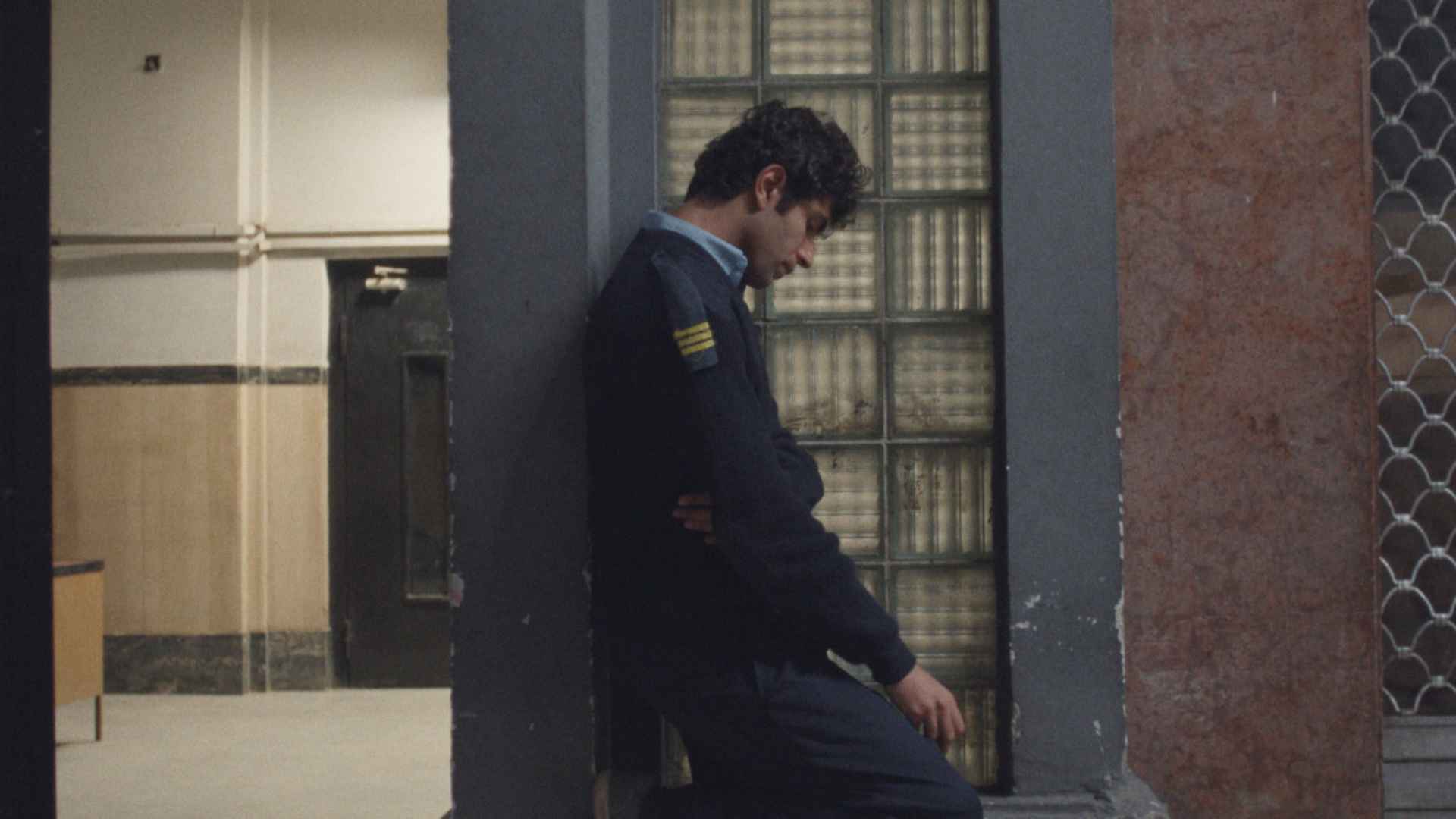
AMIRA: To say that this film is a slow burn is an understatement, but the darkly satisfying ending made the two-hour watchtime worthwhile. It would be difficult to talk about this film without mentioning its sheer length, and more significantly, the massive undertaking this story was to bring to life, particularly as an independent film set and produced in Egypt. You see the painstaking effort in every element of the film: from the script to the visual language and color, the details in the characters’ development and depth, the subtly intertwined political and social discourse that affect each plot point and pivot, as well as the slow passing of time as a vital function of the story and its characters. It is decidedly an art-house feature, and so it will not be to everyone’s taste, but it is set to become a touchstone in the timeline of independent cinema in the region that will for sure be referenced and dissected in years to come, under the unique directorial helm of Mohammed Hammad.
AYA: As an Egyptian filmmaker, I was amazed by the courage and simplicity of this film. The complexity of each character, how their different needs and motivations come together, and the way the story ties everything together in the end were all particularly striking. While I did find it a little slow-paced at times, I understand how this serves as an intentional representation of the characters’ worlds. A part of me feels incredibly proud that a film like this won the Golden Star for Best Feature Film, and I look forward to seeing what Mohammed Hammad does next.
Muhammad Mustapha, Feature Documentary, Egypt
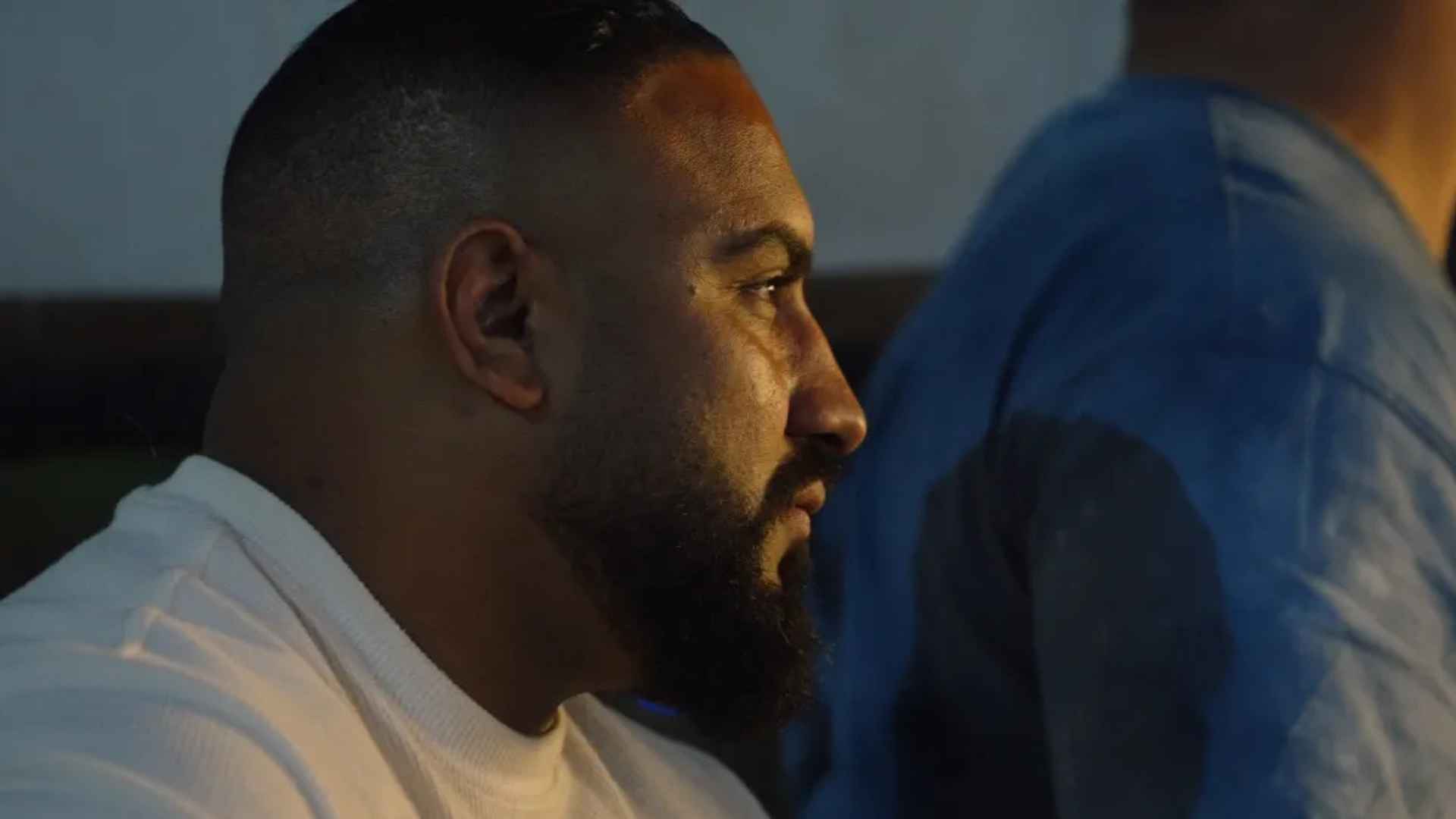
AMIRA: The best documentaries take us inside a world we would never have access to, and “Big Boys Don’t Cry” stands out as especially explorative. I think this is what I loved most about this documentary, even though opinions among our team and the wider audience were heavily mixed. It was a basic love-it-or-hate-it spectrum, but for me the film does not care if you love it, nor does the world it is taking us into: the overlap of where Egypt’s bodybuilder community meets the perilous occupation of bouncers and bodyguards, a needed but intentionally invisible role in many spaces we inhabit.
The film, the filmmaker, and the characters we follow do not care what you think, they cannot afford to, and that is truly the most authentic portrayal of this world. We are only invited to peek through and get a curated glimpse of what it means for your body to be a commodity and your very livelihood – for your body to consistently be asked to the front line of any potential outbreak of violence. I think people expected the director not to be such a big part of the story, but I am not sure that would have properly contextualized the gateway we as an audience are given to this world. I think I would have asked, “why are we here?” but through the director’s lens, there is a clear answer, even if it is one the audience does not particularly like. It can be characterized as a film about masculinity, but I think that is a reductionary and expected perspective – I see it as part of a much bigger picture of why life leads some people to make certain choices, the lives that are built on that bedrock, as well as the sacrifices and concessions you make to uphold the framework of this world.
SHAHD: My first reaction was disappointment, but I came to realize it wasn’t so much about the film itself as it was about the unrealistic expectations men who work as bodyguards or weightlifters have to uphold throughout their lives. It’s an interesting take and critique on hypermasculinity, but not in the way you’d expect. I particularly loved the unusual portrayal of hypermasculinity, sometimes in an oddly intimate way, giving you a glimpse into how men in these spaces interact with one another. That said, I wish we had seen more of the emotional and human sides of each of the men’s stories, but that might just be me anticipating that “Big Boys Can Cry” instead of “Big Boys Don’t Cry.”
HADI: The main objective of the film was the subject of masculinity and emotional vulnerability, but I felt that the film didn’t go deep enough and only scratched the surface. The storytelling component was scattered and repetitive and at times slow. It was trying to explore multiple stories without connecting them together. We see the director jumping between characters without really exploring their emotions or backgrounds. Towards the second half of the film, we get to see more of the main character. I also wasn’t a fan of how certain scenes (physical punishment of children, the claim of kidnapping people) were presented without reflection or questioning. The cinematography was great, but I couldn’t fully connect with the characters. It lacked the energy and drama I thought would be present in this film.
AYA: My favorite documentary of the festival. I loved how we got a peek inside a world we don’t really interact with or think about often. As a gym rat myself, it gave me a wider perspective on a world I thought I knew, revealing its deeper layers. I liked how the director tied his personal thoughts and experiences to the film’s arc, as well as the creative ways he found to set the characters on different stages of expression. Even though I felt we didn’t really get to know the characters well enough, I still enjoyed watching it and would watch it again.
MOSTAFA: It took me into a world I had never really gotten close to: that of bodyguards and the pressure on them to always look tough. I found that really interesting, but I didn’t feel very connected to the characters. It felt like we only got to see their tough exterior, and I kept waiting for a moment when they would let their guard down.
Ali Asgari, Feature Narrative, Iran
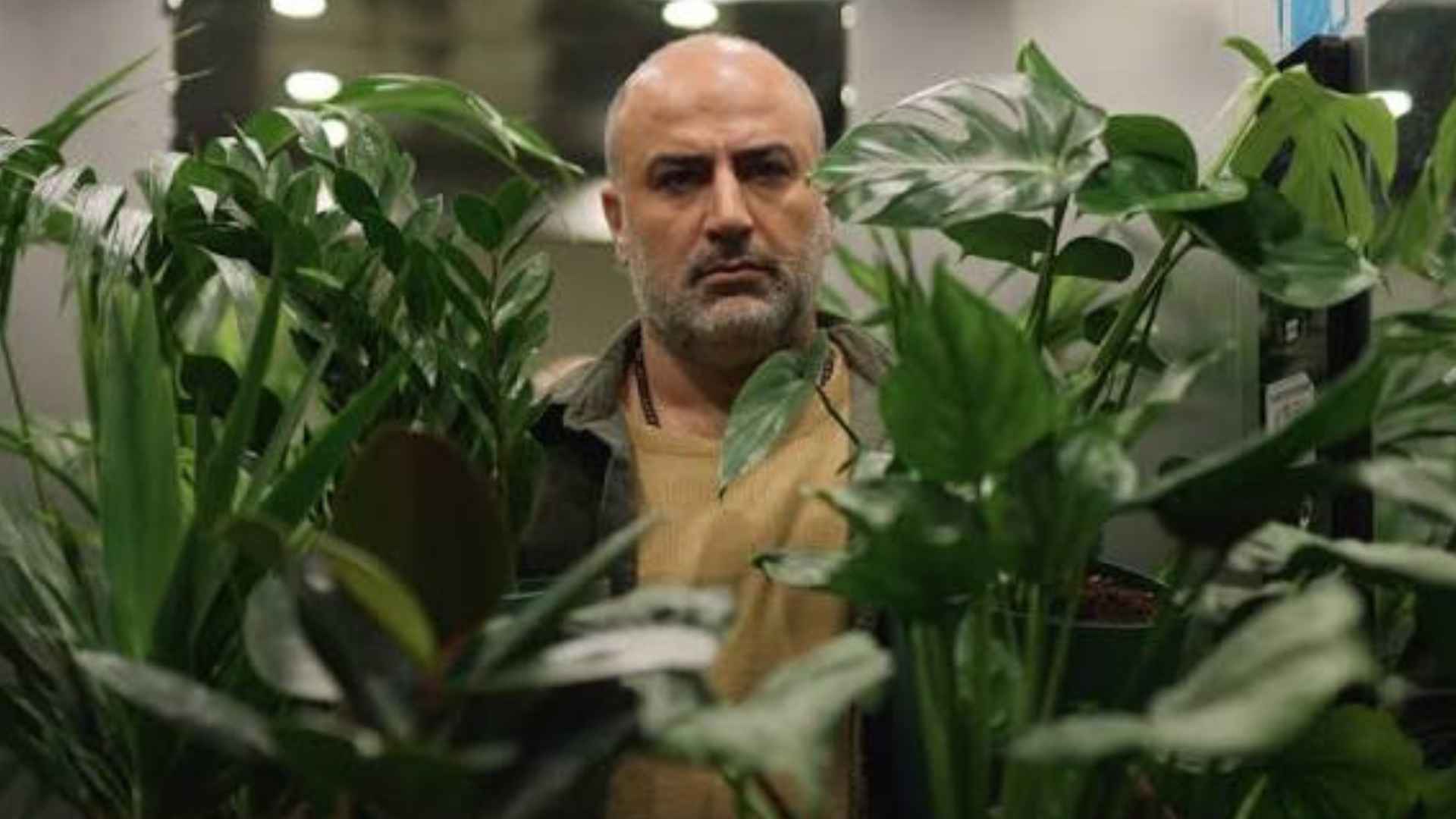
AMIRA: There is something about a main character that has decided to take his own life in a country like Iran – enmeshed in a war it did not choose – driving around with a car full of plants to make sure they live beyond his own life choice, that is instantly hopeful, despite the story seeming to outline otherwise. I loved this film, its characters, its plot evolution, and its message beyond any of the usual considerations for cinematography, lighting, color, frames, and so on. It literally does not matter in this story, and the audience very quickly decides it does not care either. We only care to go on this journey with the main character, a doctor driving around town and gently informing his family of his decision, making sure his plants, his cat, his patients, and his mother will be taken care of. In this process, we realize as he does, that there are a million little reasons to keep on living.
HADI: What stands out to me in the film is the approach taken on the emphasis of ordinary family interactions (car rides, dinner, dancing) rather than making it into a dramatic declaration. A very emotional rollercoaster ride throughout the whole film, where the tension between hopelessness and human connection can quietly pull someone back towards life.
AYA: I have a deep love for Iranian cinema and this one did not disappoint, a simple reminder of the beauty of life and the importance of community and love during the hardest times of our lives, would absolutely watch it again and again.
Anna Belova, Animated Short, Czech Republic
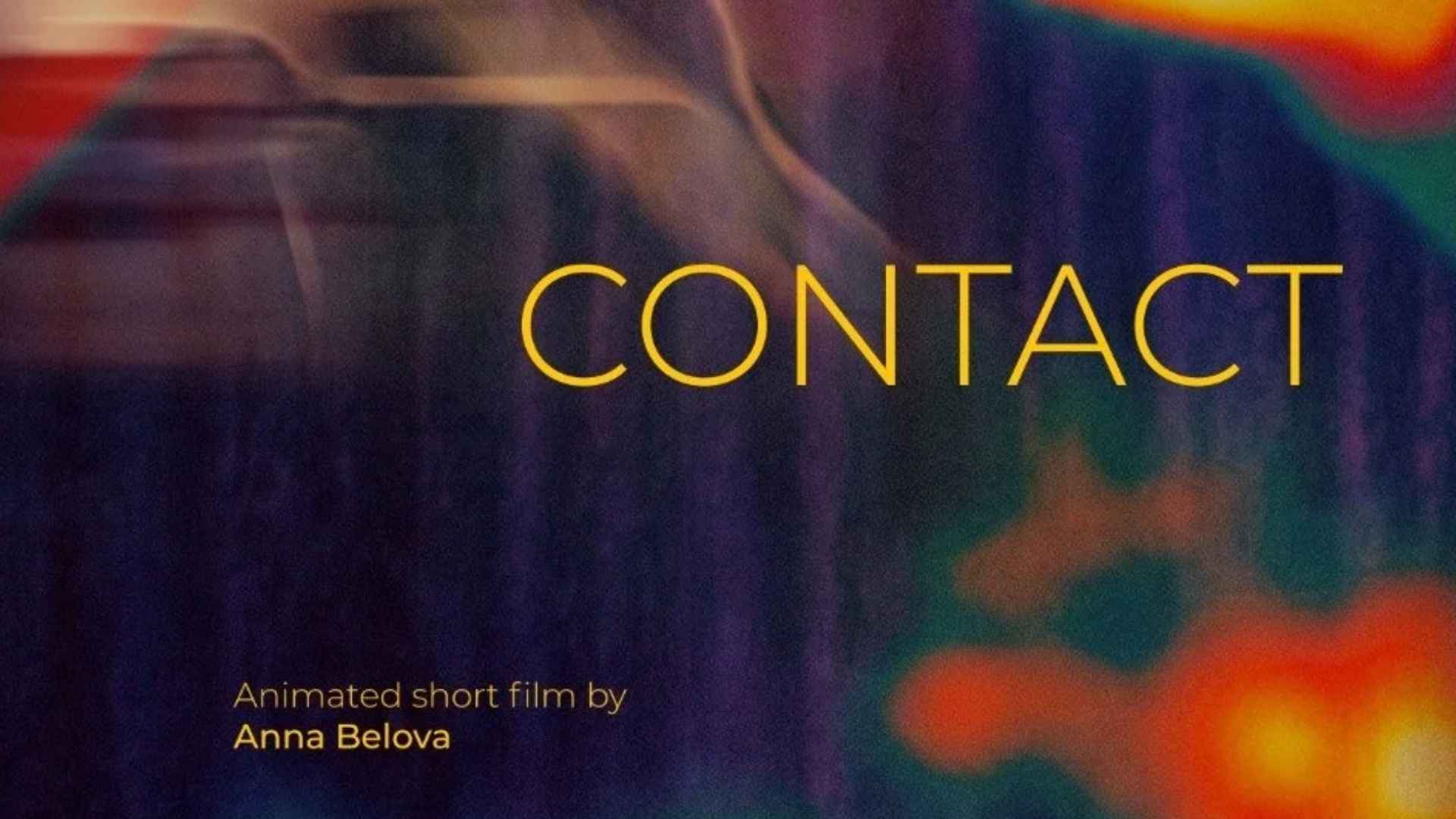
AMIRA: I knew immediately as I was watching the animated short film “Contact” that the emotions so delicately conveyed by the visual storytelling would stay with me. It is a heartfelt and warm portrayal of a granddaughter’s relationship with her beloved grandmother across countries, from her childhood to adulthood, and as she learns of her grandmother’s passing. The use of blue and orange colors to visually show the audience the characters’ inner worlds and emotions as they evolve with the story was simple and impactful; it is also utilized to show the relational dynamics between characters with minimal dialogue or intervention from the director. It is essentially a story about the love we are able to give and that which we choose to receive from the people around us, even as they pass on from this life.
Amir El-Shenawy, Documentary Film, Egypt
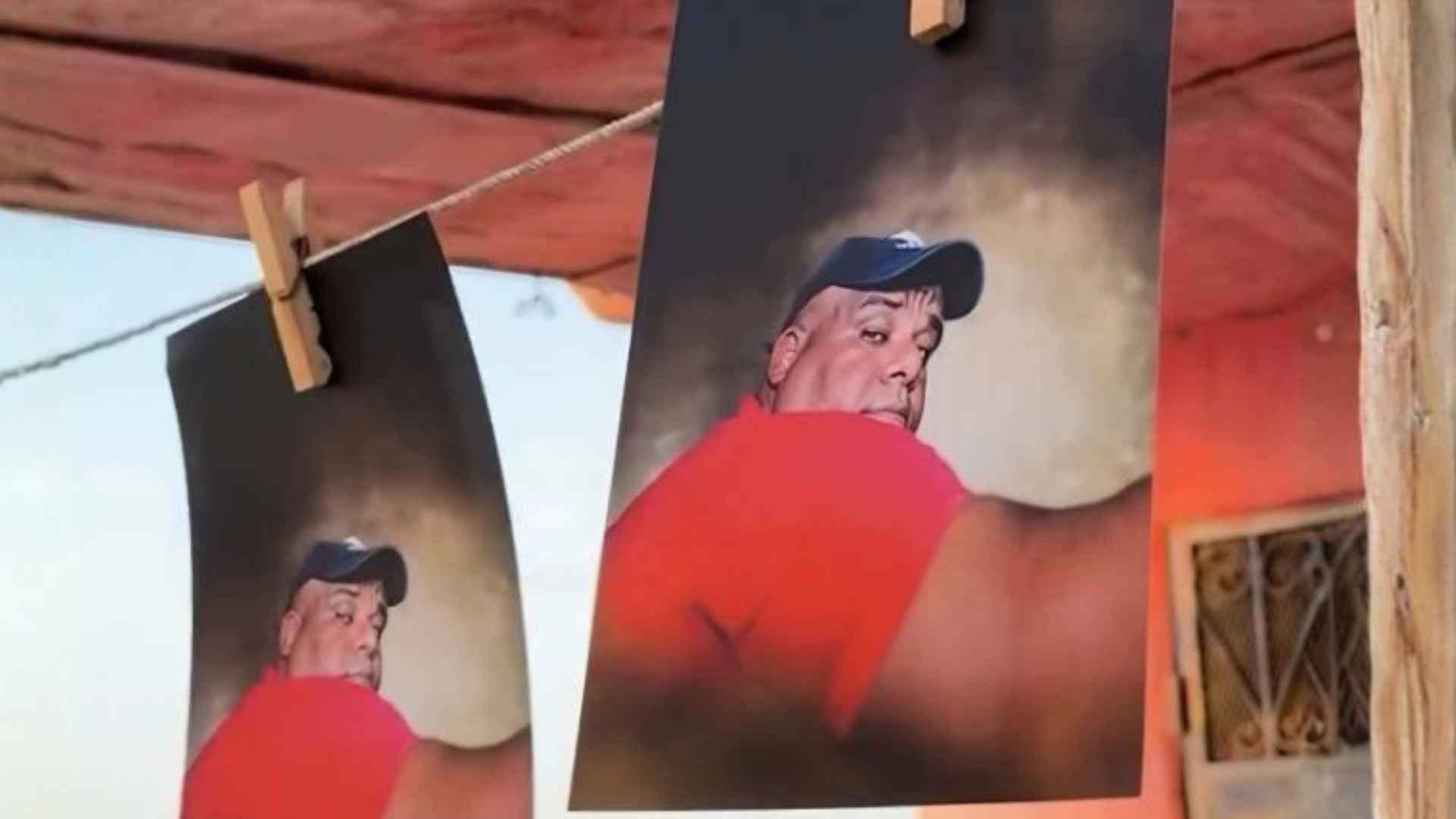
MOSTAFA: My favorite part was Kabonga himself. He’s super charismatic and has a satirical way of seeing the world, so he carries the whole film. We got to see so many sides of his life: social, emotional and even political. We saw a closer look at his family dynamics, which made him feel even more real beyond the wrestling plot. My only issue was the timeline. I sometimes got lost in when things were happening, and it took me out of the story a bit.
AYA: I loved it as a commercial documentary; the characters are super charismatic and I felt immersed in their stories. I found the ending was a bit rushed and it had some unexplained events but overall it was a good watch.
SHAHD: My second favorite. I really enjoyed how real the documentary felt, it showed us a rollercoaster of ups and downs and how ambition and success aren’t linear. Bonus points for the many light, humorous moments.
Danielle Arbid, Feature Narrative, Lebanon
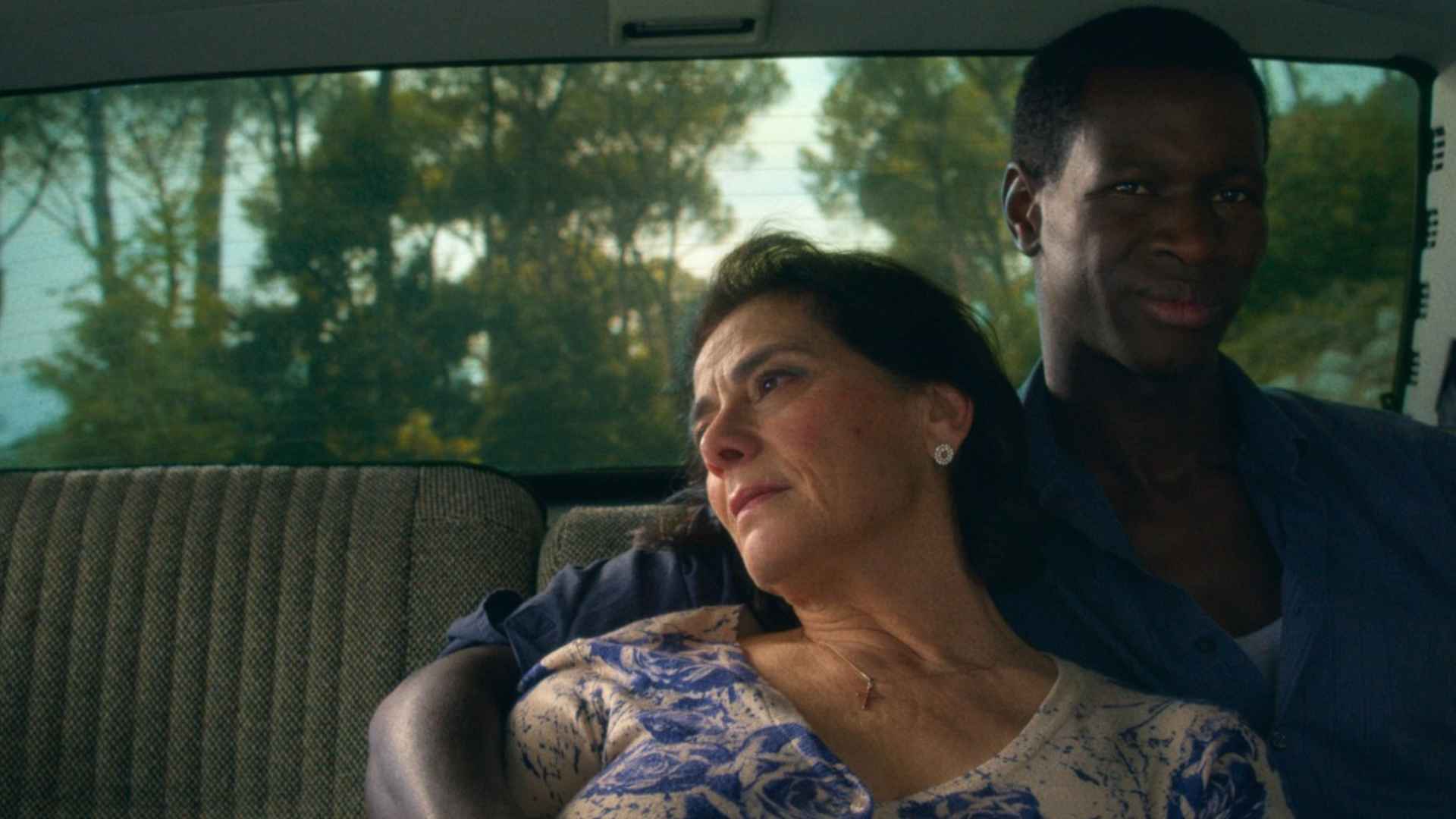
MOSTAFA: I liked that the film takes on the age gap between partners, especially here in the region, where it’s usually controversial for a woman to be with a younger man. Their relationship was portrayed in an intimate and tender way that made the social restrictions around them start to look like complete nonsense. It also adds other layers beyond age, such as race and class. I wish we got more of the story from Ousman’s perspective. The film stays mostly with Suzanne, and I was really curious to know what this encounter meant to him.
SHAHD: My personal favorite from what I’ve watched. I enjoyed the light, comedic moments that I felt were a bit rare in the festival selections. The story’s ending was anticipated, but it’s an interesting and controversial love tale that you don’t see everyday. It was an easy watch, and it kept me curious till the end.
Halkawt Mustafa, Narrative feature, Iraq
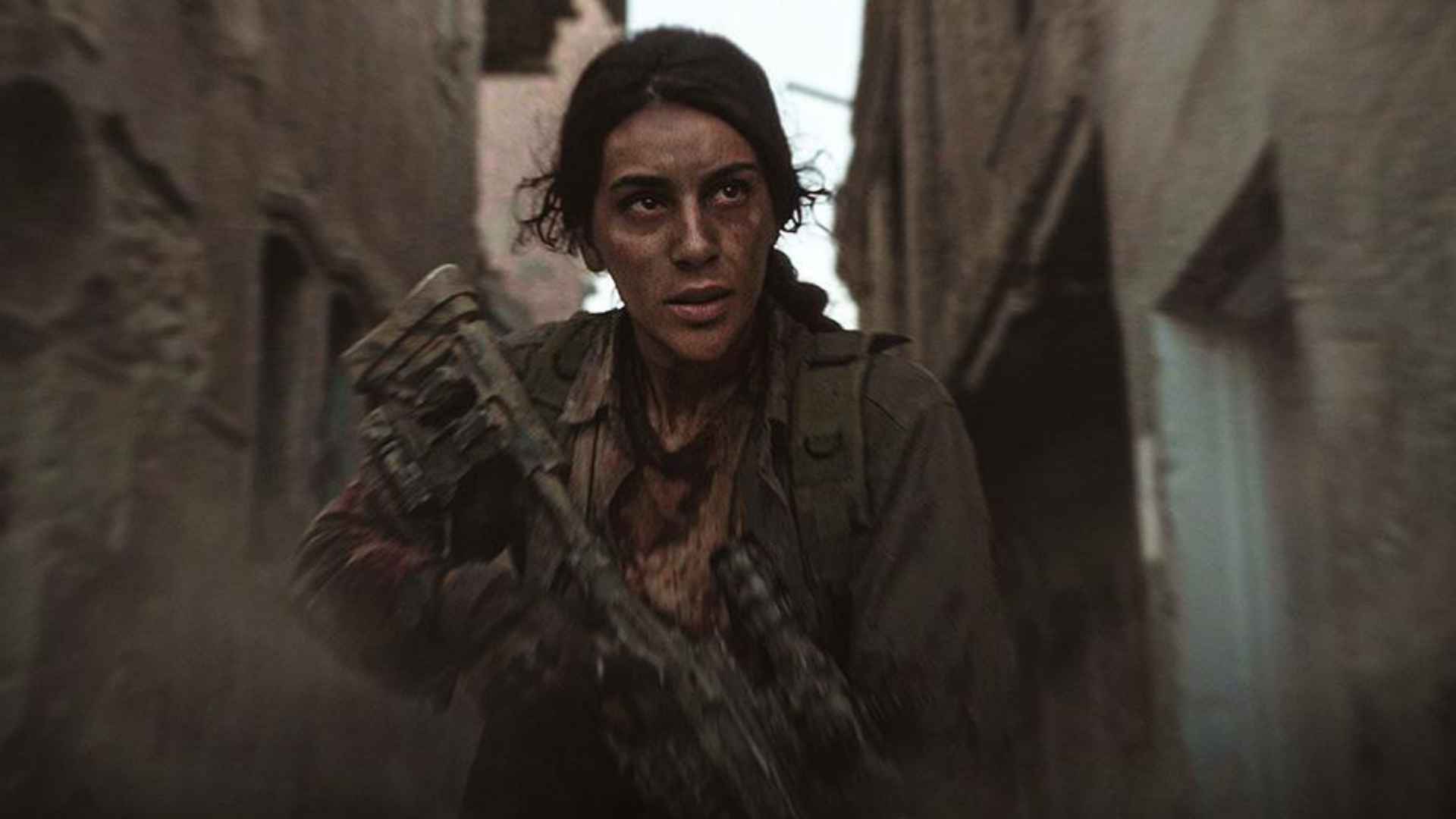
HADI: The most action packed film I watched in GFF. The direction, cinematography and the portrayal of the brutality of ISIS were very powerful. What stuck with me the most was the strength of the female protagonist, played by Avan Jamal, and her determination to find her sister even after everything she has been through. What grabbed my attention the most was the balance between the horrors of war and the personal story of family love and survival. It was a mix of heartbreak, loss, survival, disturbing and inspiring all at once.
Leaving the violence aside, Vian’s (Avan Jamal) resilience refuses to give up in the face of unimaginable and certain death. It kept me on the edge of the seat the whole time.
Miroslav Terzić, Narrative Film, Serbia
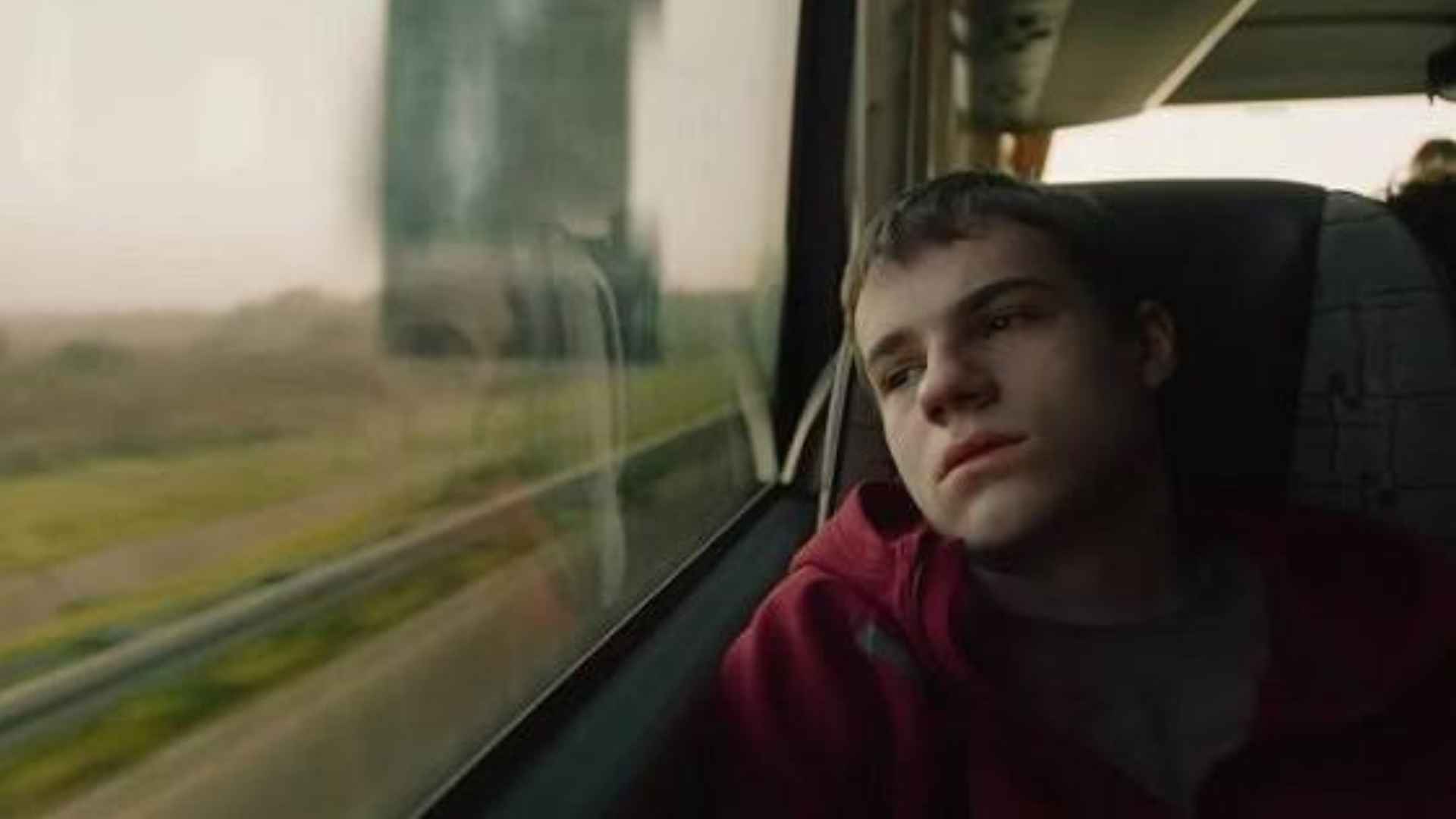
SHAHD: The film tackles an important issue: bullying in schools, and how severe it can get when the surrounding adults dismiss its severity. It left me with heavy emotions and many questions. What would the outcome have looked like if everyone, especially the teachers, had intervened earlier? As soon as they noticed? Instead of turning a blind eye and clearing themselves of accountability.
HADI: I loved and hated it at the same time! The cinematography was on point, with multiple shots that seemed impossible to take were made possible.The director captures the pain of being bullied in a way that makes you feel it deeply. Although graphic at times, I felt it was necessary to convey such strong emotions.
AYA: I loved the first half, but then it got too graphic and physical for my taste, I understand that the intention of the film is to make the audience feel uncomfortable but I would have preferred more of the philosophical debate between the two teachers about whether the kids’ bullying led to their colleague’s suicide.
Julian Rosefeldt, Experimental film, Germany
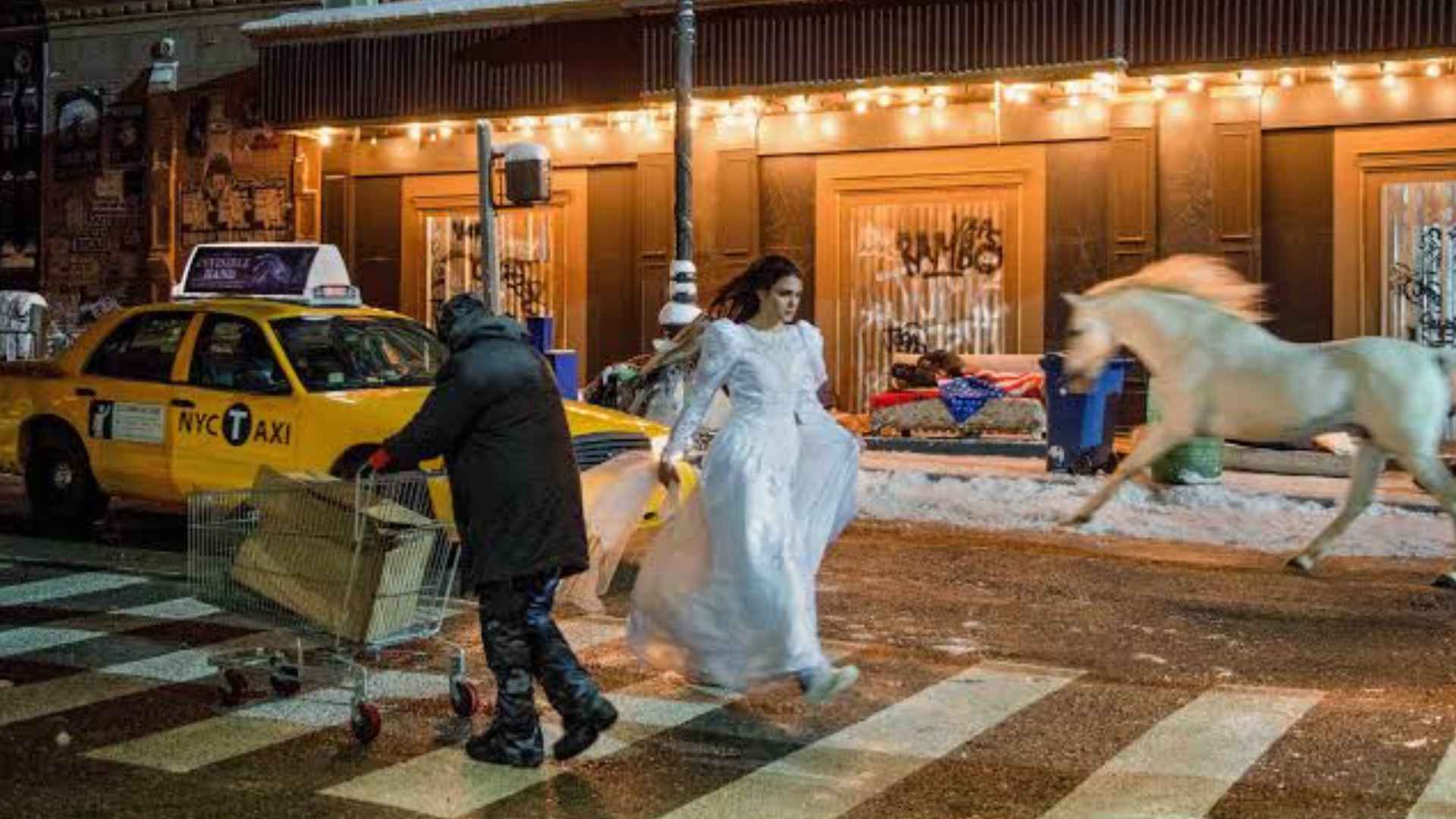
HADI: An art installation turned into a film. Euphoria takes a fascinating approach at exploring capitalism, greed, money and human nature. Rather than relying on traditional storytelling, Julian Rosefeldt uses surreal imagery, satire, and symbolism to challenge how we think about the world we’ve created.
What made the film particularly interesting to me was the method used to communicate complex ideas through visual storytelling. Not only that, the whole dialogue of the film had a rhythmic poetic structure, pulling from public statements, hip hop lyrics, philosophers and economists and many more!
Zaid Abu Hamdan, Narrative feature, Jordan
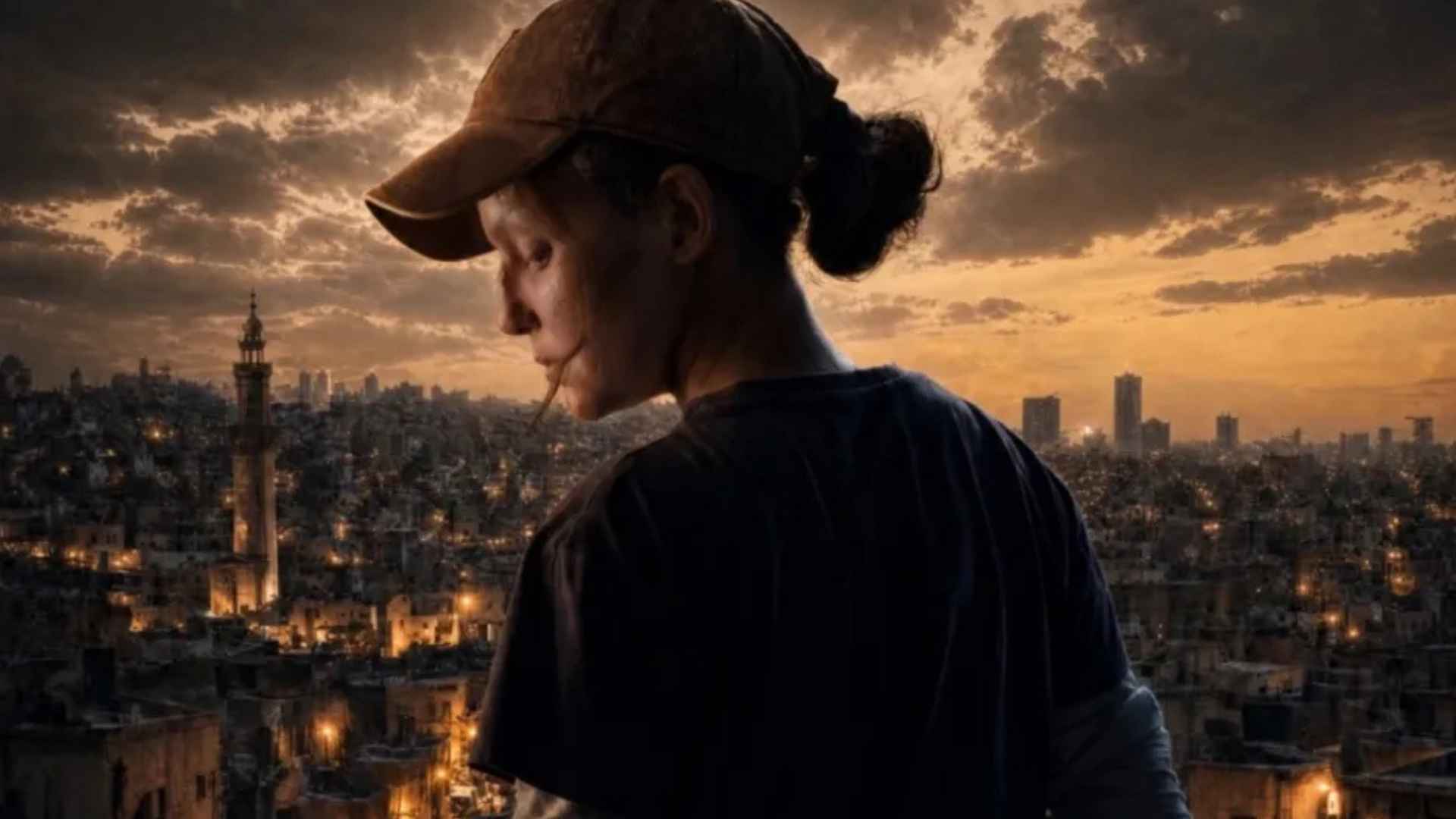
HADI: Boomah explores survival, identity and emotional consequences of growing up in a world that offers little sense of belonging. Rakeen Saad, playing Boomah in the film, delivered such a powerful performance. What stayed with me was how her character, growing up as an orphan, had built walls around herself to avoid emotional attachment, only for them to slowly come down when she met the little girl and began caring for her, almost like the mother she never had. It leaves us questioning how much of our identity is chosen and how much is dictated by our surrounding environment.
Cristian Mungiu, Narrative feature, Romania/Norway
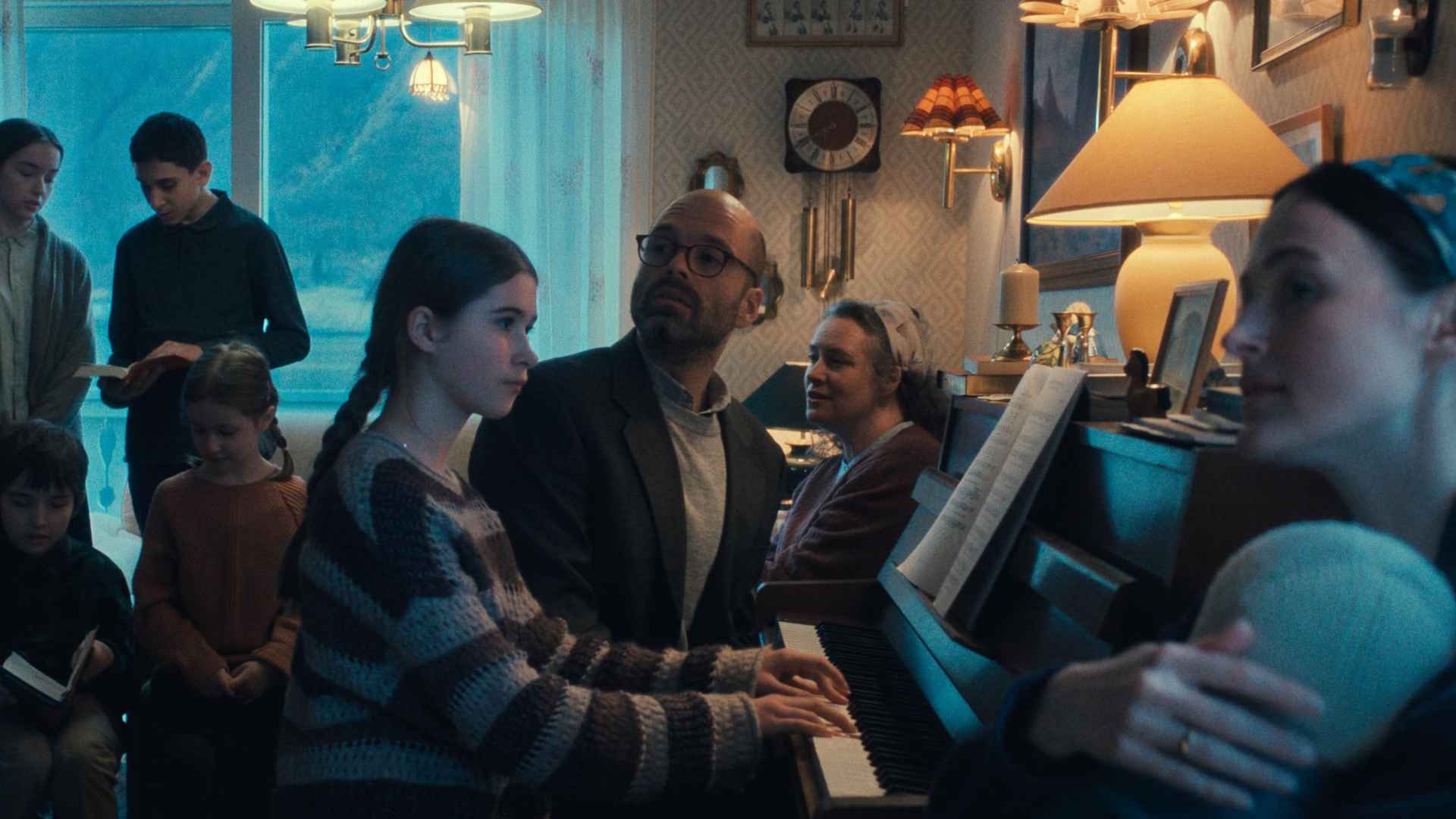
HADI: This film was layers upon layers that were intertwined into a film! Touching on parental rights, cultural differences, religious beliefs and government intervention. It raised very difficult questions about where parental freedom ends and the responsibility of the state begins, and how differences in culture and religion shape our understanding of what is right for a child.
SHAHD: Watching this transported me into a heavy atmosphere. At first, I thought I was watching a religious cult fleeing into a new environment, seeking new members to recruit. But as the story unfolds, it raises more questions about child protection and children’s rights, the actual effectiveness of the system, and its limitations.
Fernando Eimbcke, Narrative Film, Mexico/Spain
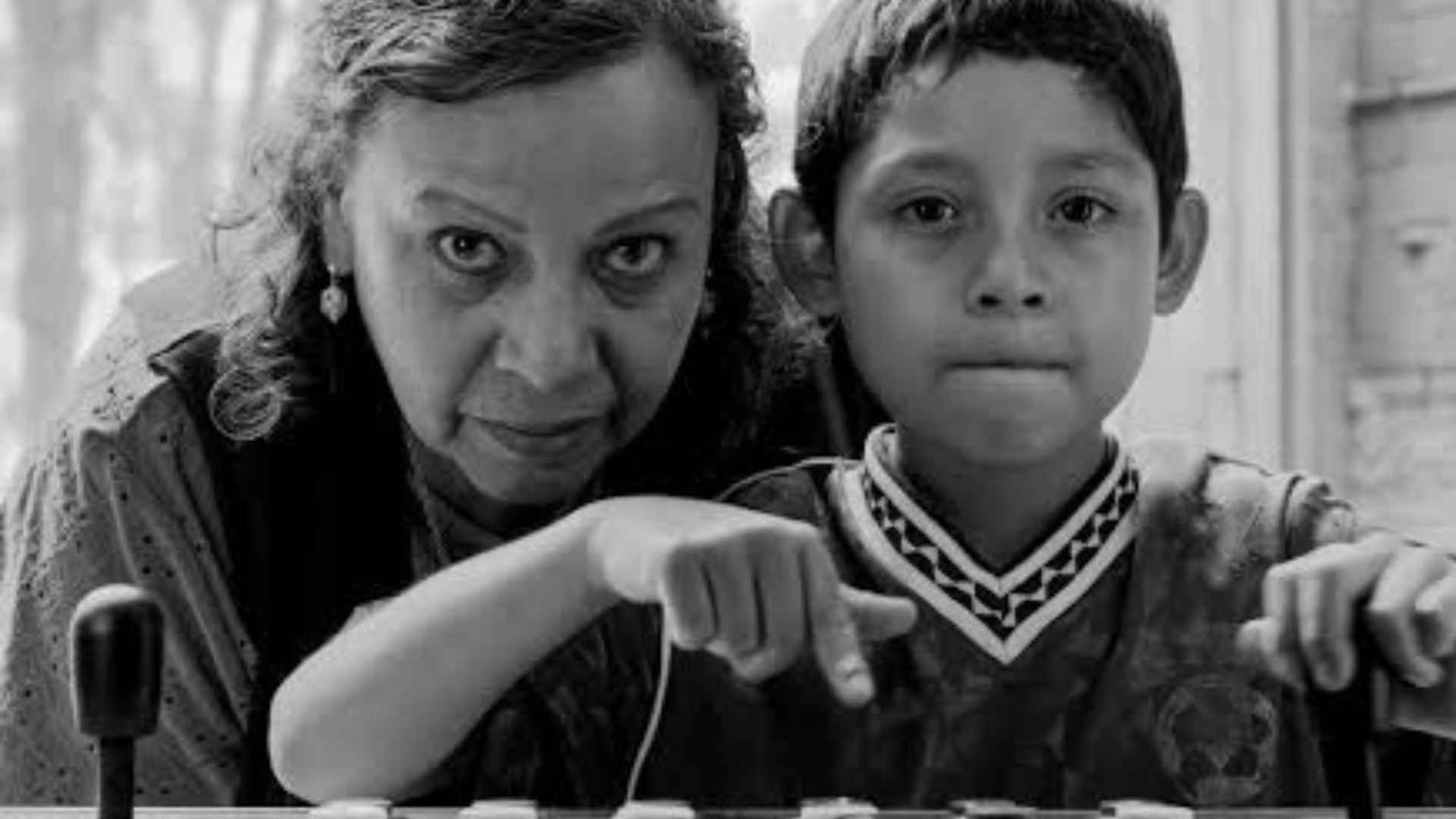
AYA: The simplicity of the story and how it all ties together in the end, the tenderness of three humans coming together through grief and hope, has made it one of my favorites.
MOSTAFA: Although it wasn’t in the official competition, it was my second favorite film. It touched me on so many levels and managed to capture so many human emotions in such a simple way. The kid, Cristian, was my favorite. He’s funny and clever, but you can always feel what he’s carrying underneath.
Damilola Orimogunje, Feature Narrative, Nigeria
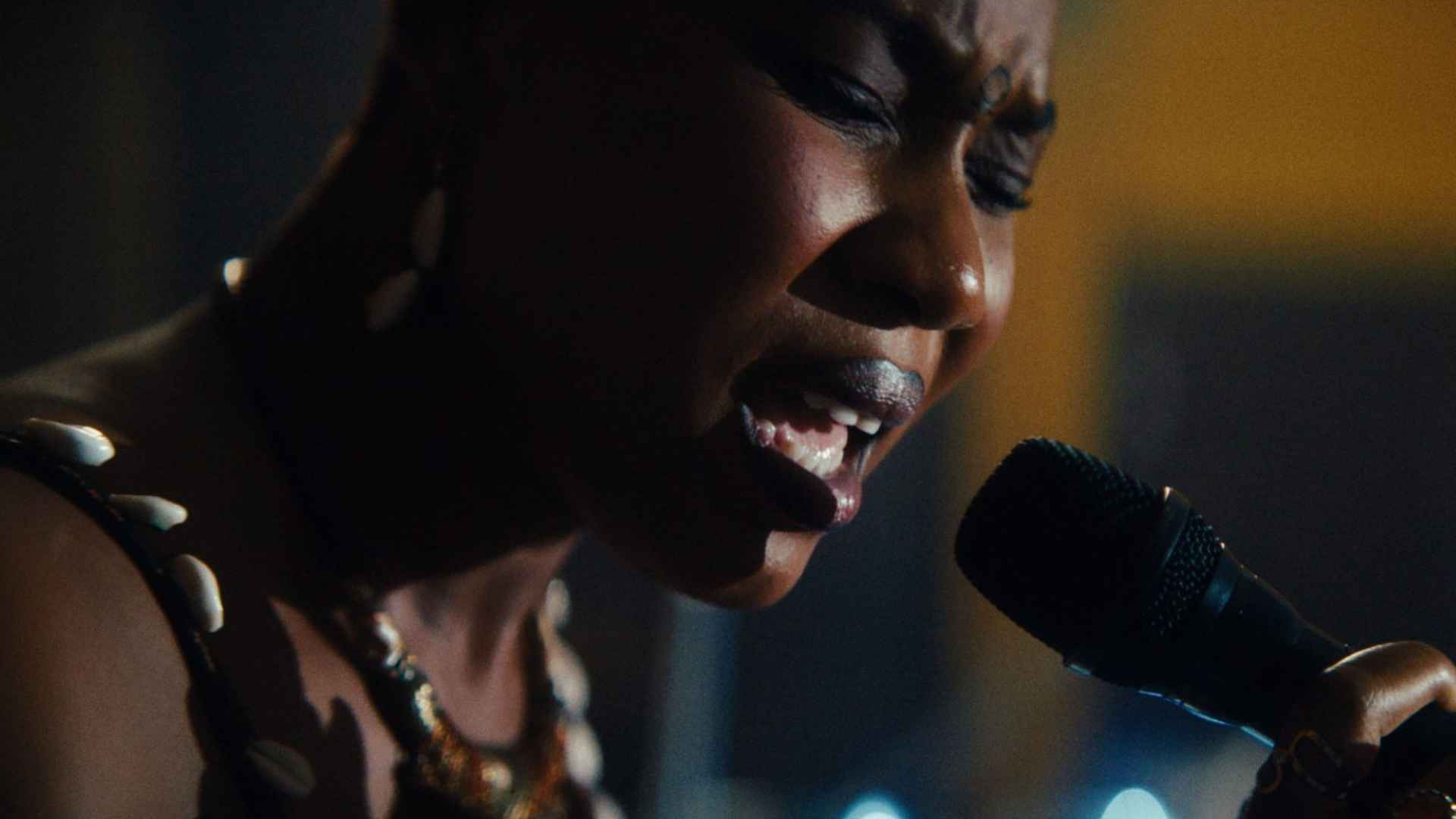
AYA: Knowing that Nollywood is on top of its cinema game, this film proved just that. Between the superb acting, beautiful visuals, blocking, and the universal story of two sisters trying to make it in a man’s world, I loved how it captured the push and pull between supporting each other and feeling dissatisfied with each other’s life choices.