

 Share the love —
I have witnessed, through my personal experience and that of those around me, that mothers are not only mothers to their immediate daughters, but to all other offspring that exist within their vicinity. There is something expansive about motherhood that resists containment. It does not stop at the borders of the home, nor does it end at the limits of blood. Motherhood does not relegate itself to biological relationality.
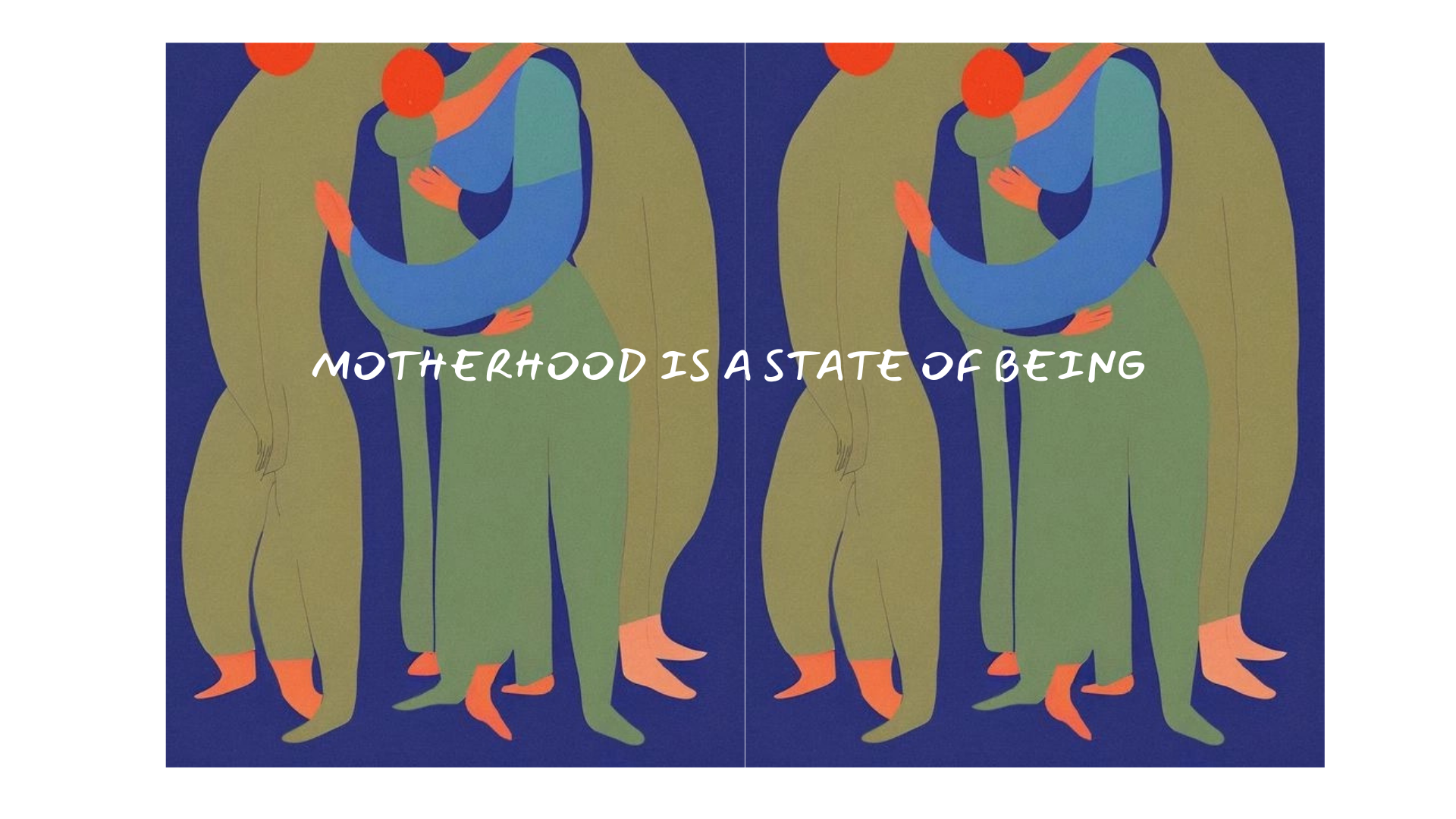
Motherhood is a state of being.
A way of moving through the world. A continuous orientation toward care, toward well-being, toward attentiveness. Attention to behaviors. Attention to others. Attention that lingers.
I have witnessed firsthand what mothers do with or without their immediate offspring. Mothers who have lost their children. Mothers who are mourning their children. Mothers who are away from their children. And yet, the state of motherhood does not dissipate. It does not switch off in the absence of their offspring, nor does it collapse under grief.
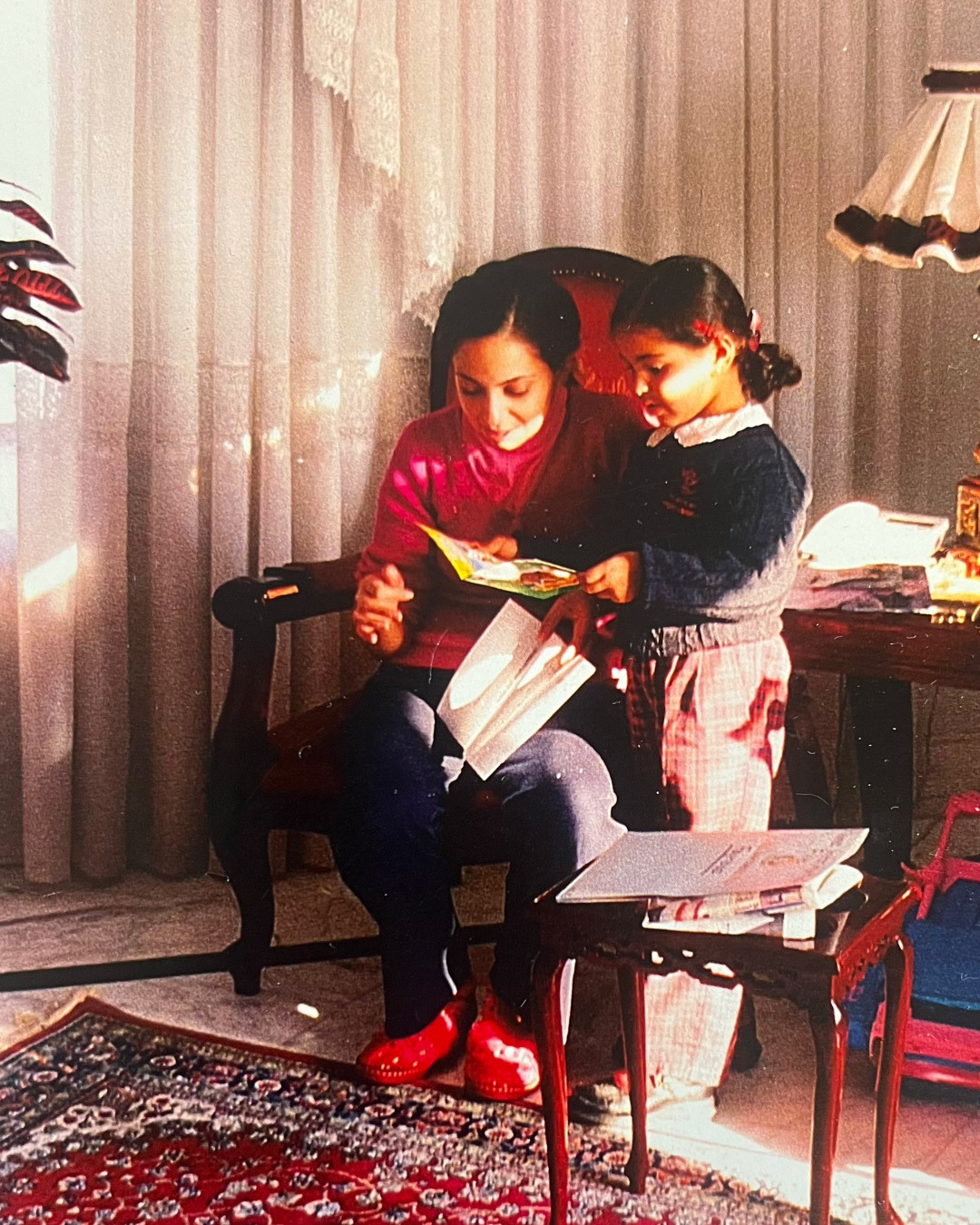
Women, especially mothers, have an innate attention to community and togetherness that transcends blood and biological relationality. I have experienced mothers who have taken care of me and invited me into their families and treated me like their own daughter, even though we do not share a single ounce of blood.
In those moments, care becomes the only thing that matters. It becomes a constant state of care that requires nothing in return. There is something profoundly asymmetrical about this form of care. It does not wait to be earned. It does not calculate reciprocity. It exists before obligation. It exists before recognition.
When you lose a parent, you lose who you were in relation to them. You lose a part of your identity that only existed through that bond. The first years following the loss of my mother, I felt like Mother’s Day was something that was triggering, something that was not inviting, something that was only reserved for those who could send flowers to their mother and spend the day with them. It felt exclusionary. It felt like a day that belonged to others. But I have realized that Mother’s Day can mean so much more.
It can be a space to invite many more individuals. Those who have lost their mothers. Those who have lost their daughters. Those who never grew up with either, and instead had a community of women that took care of them, whether immediate, whether biological, or not. Those who step up and those who show up in times of grief. Those who show up as friends. Those who show up as friends of friends. Mothers of friends. Women who arrive without being asked, and stay without needing to be named.
Mother’s Day is not only a time for us to celebrate our mothers, but to celebrate what mothers do in our communities, and for our communities. It can be an inviting time not only to celebrate the great mothers that surround us and make our homes as welcoming and soft and caring as they are, but also to remember and recognize those whose understanding of motherhood, and how it presents itself, takes a very different form every single day of the year, not just on this one day; including those who cannot be mothers biologically, but have chosen motherhood in a different way. The women who have chosen to adopt. The women who take care of their families. The women who take care of their own parents.
It is one thing to recognize our mothers in that way, but it is another to understand that motherhood is not just when a woman gives birth.
Motherhood is also when a woman gives life to the space and the environment that she is a part of. It does not belong to one person, nor does it have conditions in order to exist. Mothers exist, and they surround us, with love, with care, with presence, whether we are their own or not.