

 Share the love —
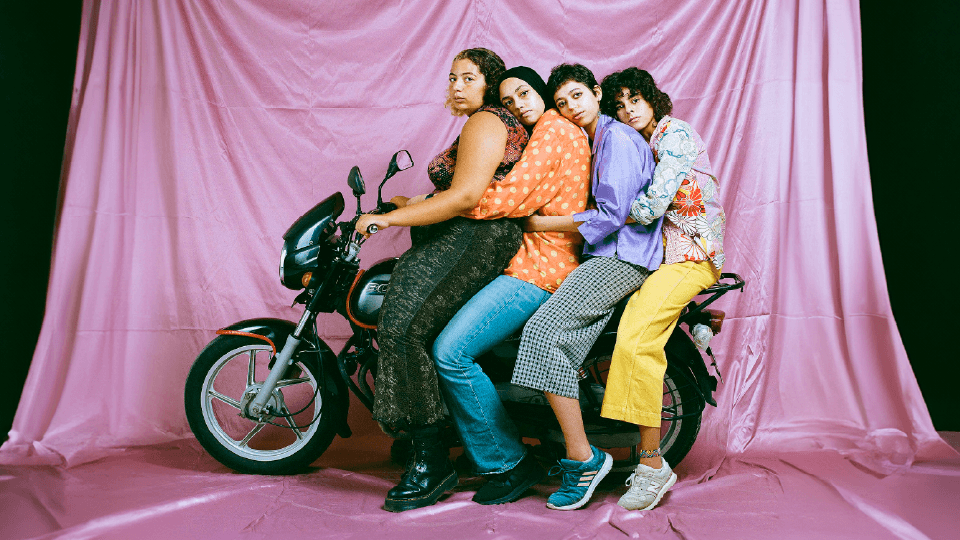
Najla Said is an Egyptian visual artist whose work explores identity, femininity, faith, and surveillance through photography that is both intimate and quietly defiant. Moving between personal visual diaries and community archives, her images document everyday life while tracing broader political and cultural shifts across Cairo and the diaspora.
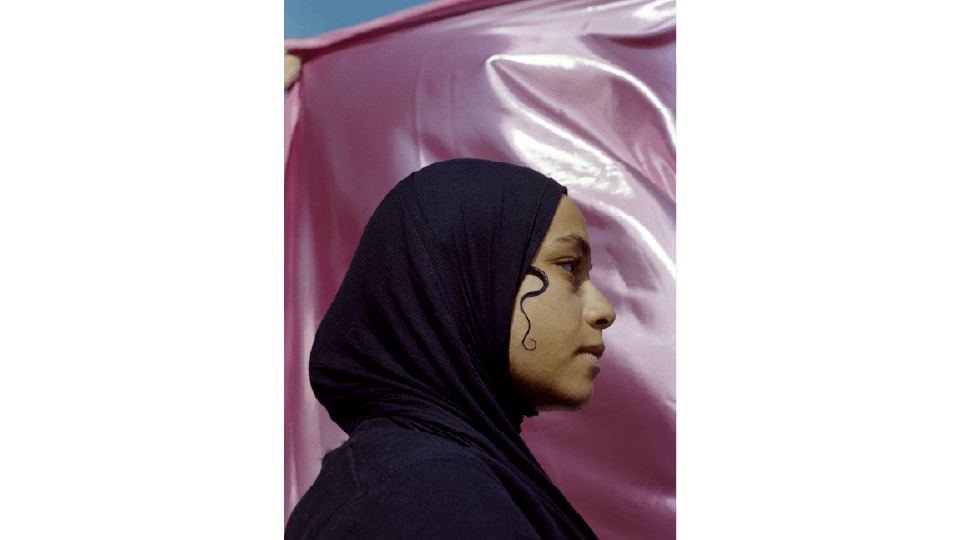
“Sister, Oh Sister is a photographic series exploring a first-person account of the experience of womanhood in Cairo. The series recontextualizes extracted elements within the Egyptian vernacular culture, in order to create alternative representations of womanhood. Each photograph questions the validity of the components of “so-called” femininity, which are inevitably reinforced by subconscious, established, quasi dictatorial patriarchal norms”
– Najla Said
 Untitled, 2022
“Made during my final months in Egypt before relocating to Berlin in 2021. Leaving Cairo, the city I was raised in, transformed the way I saw it. I became a stranger to my own home, viewing familiar streets and fleeting gestures with new meaning. The banal became sacred; the ordinary, nostalgic. These images emerged from that state of hyper-awareness, of trying to hold onto what was slipping away. They reflect a soft urgency, as if I were seeing everything for the last time… The result is a visual diary of moments unspoken, of spaces held in suspension.”
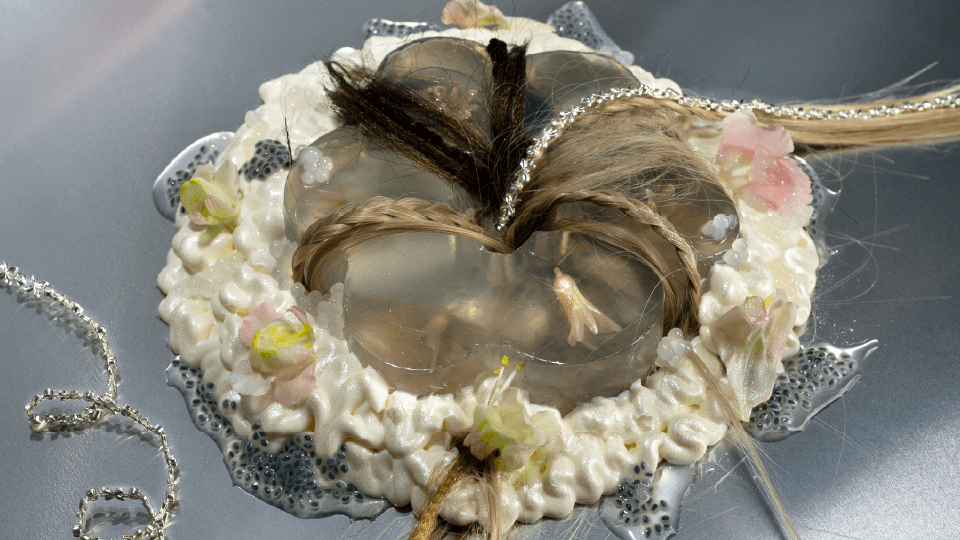 Untitled, 2022
“Frustrated at how the notion of beauty is merciless when it comes to hair, it goes from mesmerising to disgusting depending on where you point on the body. It gets even worse, if found in food — the point of no going back. And that’s how I decided to bind these two incompatible materials, hair and jelly, and treat them as objectively a texture rather than vehicles for cultural symbolics. And with that, I attempt to question beauty through disgust, or vice versa.”
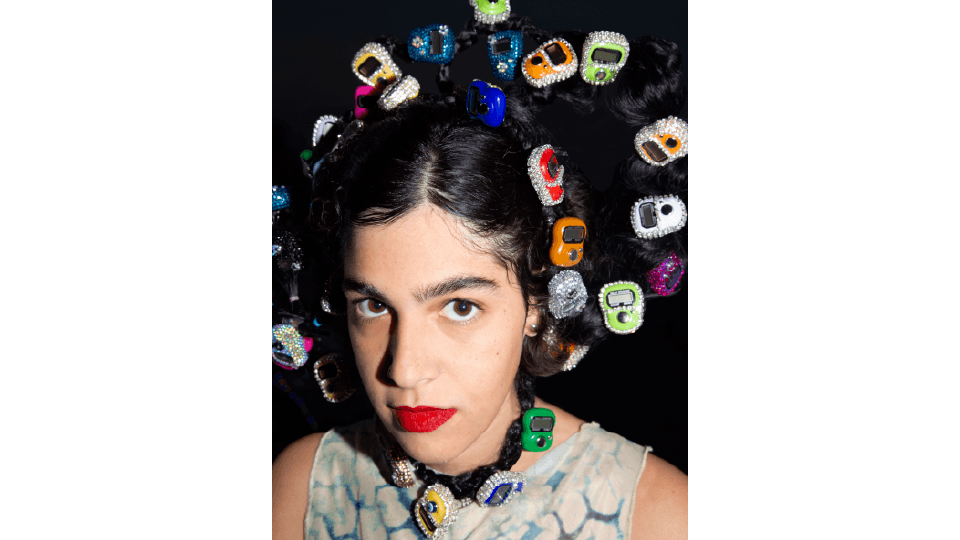 Pray For Me 666 Times, 2025
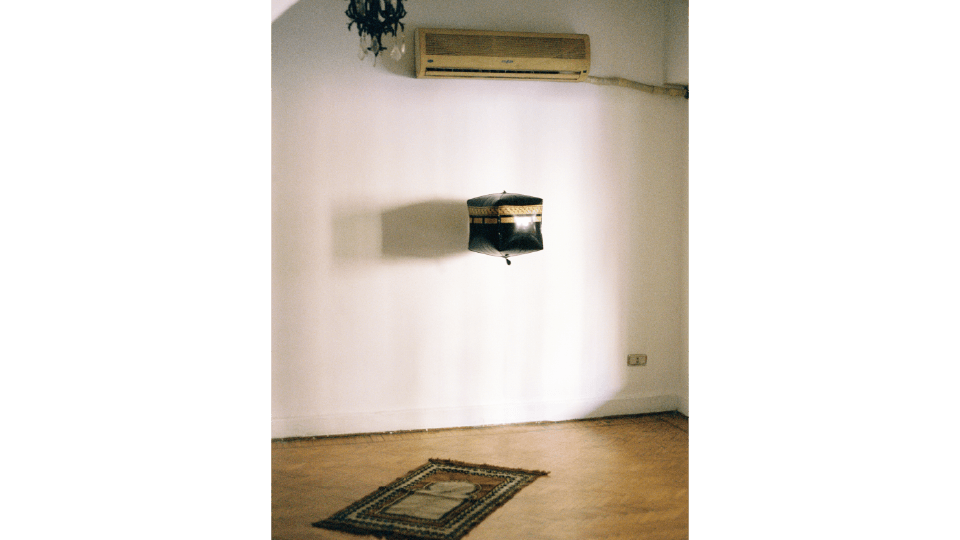 Kaaba Helium Balloon, 2025
“A photographic series that interrogates the commodification of Islam in contemporary consumer culture. Through a critical lens, this project examines how faith has been repackaged, aestheticized, and transformed into a marketable trend. From Kaaba balloons and “Ruqyah” paper to rainbow Qurans and digital Zikr Rings, Vanities questions the normalization of religious consumerism and its impact on spirituality.”